Compare Local Contractors for Expert Tree Shaping Services
Compare local contractors for tree shaping services to define project scope, verify experience, and set clear expectations for a successful outcome.
Tree shaping services encompass a range of work focused on modifying the growth and structure of trees through specialized techniques. This can include training trees to develop specific forms, creating living structures like arches or furniture, or guiding growth to improve aesthetic appeal and functionality. When planning a tree shaping project, property owners should clearly define the scope of work, including the desired outcomes and any specific design elements, to ensure that the service provider understands expectations from the outset. A well-defined scope helps prevent misunderstandings and ensures that the project aligns with the property owner’s vision and landscape needs.
Establishing a clear scope of work is essential for effective communication with potential contractors. It allows property owners to compare local service providers based on their experience with similar projects, their approach to shaping techniques, and their ability to meet specified requirements. When evaluating contractors, it’s helpful to verify their experience with tree shaping, review examples of their past work, and inquire about their process for handling different types of projects. Documenting the scope of work in writing provides a reference point that can be used to ensure all parties agree on the project’s details and deliverables.
Property owners can make informed comparisons between local contractors by considering several factors beyond just reputation. It’s important to review the scope of services each provider offers and to ask about their familiarity with the specific tree shaping techniques needed for the project. Asking for detailed descriptions of their approach and requesting references or examples of completed work can help gauge their expertise. Clear communication about the scope and expectations, along with verifying experience, enables property owners to select a service provider capable of meeting their project goals effectively.
Compare local contractors by outlining project priorities, verifying experience, and establishing clear written expectations.
- Compare Contractor Experience - Review the background and expertise of local contractors to ensure they are qualified for tree shaping projects.
- Define Project Scope Clearly - Establish detailed work parameters to set realistic expectations and avoid misunderstandings.
- Verify Service Provider Credentials - Confirm the credentials and reputation of local contractors before making a selection.
- Document Agreement in Writing - Ensure all project details, responsibilities, and expectations are documented and agreed upon.
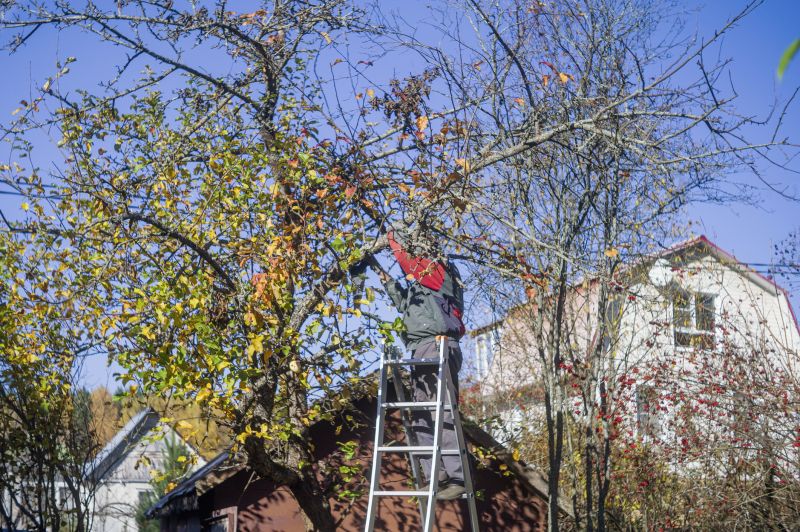
Clearly define your tree shaping project and compare local contractors based on experience and scope before choosing a service provider.
- Verify the contractor’s experience with tree shaping projects similar in scope and complexity. - Ensure the service provider clearly defines the scope of work in written agreements.
- Compare multiple local contractors to assess their expertise and approach to tree shaping services. - Look for detailed descriptions of methods and techniques used by each provider.
- Check references or reviews to gauge the quality of previous tree shaping work performed by the contractor. - Confirm that the contractor’s experience aligns with specific project needs.
- Assess whether the contractor provides a detailed written proposal outlining the work scope and expectations. - Clarify what is included and excluded in the service to avoid misunderstandings.
- Ensure the contractor discusses potential impacts on the health and stability of the trees involved. - Understand how the service provider plans to protect existing tree health during shaping.
- Confirm that the scope, responsibilities, and expectations are documented in a formal agreement before work begins. - Having clear written terms helps prevent disputes and ensures mutual understanding.
Compare local contractors’ experience and clarify project scope to ensure your tree shaping goals are understood.
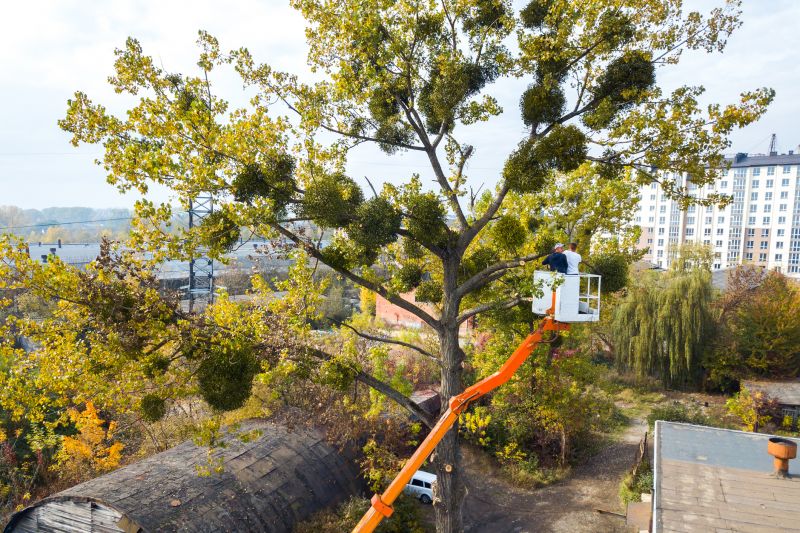
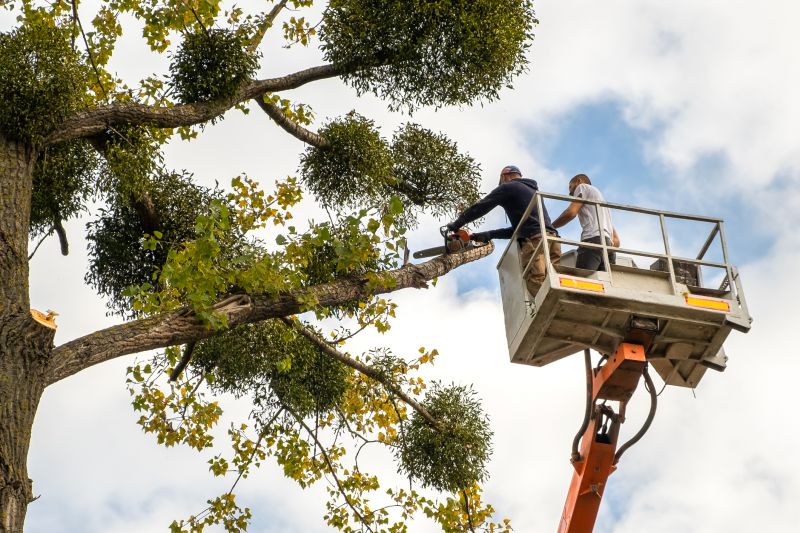
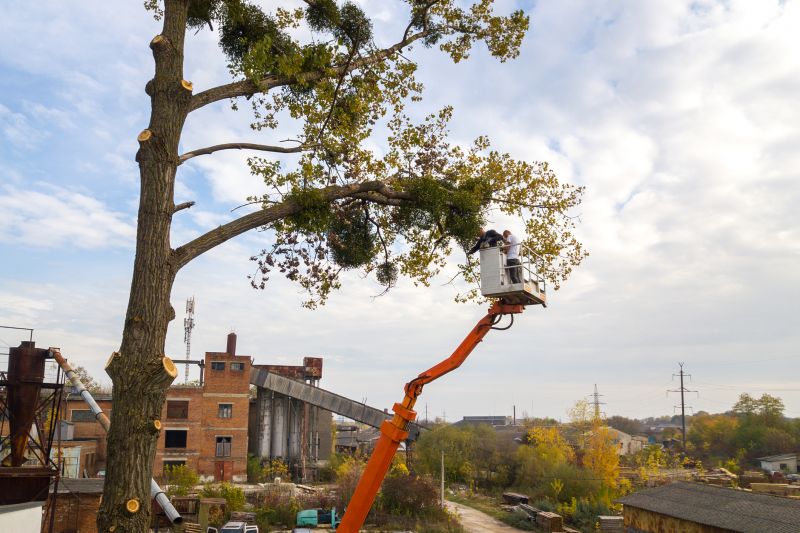
Use this guide to compare local contractors, define project scope, verify experience, and set clear expectations in writing.
- Scope Definition - Clearly outline the specific tree shaping services needed and the desired outcomes.
- Experience Verification - Confirm that local contractors have relevant experience with tree shaping projects of similar scope.
- Material and Method Details - Specify the preferred materials, techniques, or methods to be used during the shaping process.
- Work Responsibilities - Define the responsibilities of the service provider, including preparation, shaping, and cleanup tasks.
- Documentation and Expectations - Ensure all project details, scope, and expectations are documented in writing for clarity and agreement.
When evaluating contractors for tree shaping services, it is important to consider their experience with similar projects. Homeowners should inquire about the types of tree shaping work the service providers have completed and seek details about the complexity and scope of those projects. A contractor with a documented history of handling projects comparable in size and style can offer insights into their familiarity with the techniques and challenges involved, helping to ensure the chosen professional has relevant hands-on experience.
A clear, written scope of work is essential for setting proper expectations. When comparing local contractors, ask for detailed descriptions of what the project will include, such as the specific shaping techniques, the types of trees involved, and any materials or tools that will be used. Having this information in writing helps prevent misunderstandings and provides a basis for evaluating whether the contractor’s approach aligns with the homeowner’s goals. It also serves as a reference point for future discussions and adjustments.
Verification basics involve confirming that the contractor’s qualifications and background align with the project requirements. Homeowners should verify the contractor’s reputation within the community, seek references or examples of past work, and confirm that they have a consistent track record of successful projects. While formal licensing is not a focus here, gathering information about previous clients’ experiences and the contractor’s overall reliability can help gauge their capacity to deliver quality results on a tree shaping project.
When comparing options, it is helpful to assess how each contractor communicates and documents the project details. Look for service providers who offer comprehensive proposals that outline the scope, methods, and materials in writing. Clarify any uncertainties about the process and ensure that expectations are well-defined before proceeding. By focusing on experience, clear scope, verification of background, and thorough documentation, homeowners can make informed decisions when choosing a tree shaping service provider that best suits their needs.
Ask for written scope and details to ensure clear expectations and consistent understanding with service providers.
- Experience and Expertise - What specific experience do local contractors have with tree shaping projects similar to this one?
- Scope of Work - How do service providers define and document the scope of the tree shaping service?
- Methods and Techniques - What shaping methods or techniques do local contractors typically use, and how do they differ?
- Materials and Tools - What materials and tools will the contractors use, and how do they impact the project's outcome?
- Communication and Expectations - How do local service providers clarify project expectations and ensure alignment in writing?
How can I compare tree shaping contractors effectively? To compare contractors, review their experience, verify their scope of work, and check for clear, written agreements that outline project details and expectations.
What should I consider when defining the scope of a tree shaping project? Clearly outline the desired outcomes, specify the types of shaping or pruning needed, and include any specific design preferences to ensure contractors understand the project requirements.
How do I verify the experience of tree shaping service providers? Ask for details about their previous projects, request references if available, and review any portfolios or examples of past work to assess their expertise.
Why is it important to have the scope and expectations in writing? Having a detailed written agreement helps prevent misunderstandings, ensures both parties are aligned on the work to be done, and provides a reference for project completion.
What questions should I ask when evaluating potential contractors? Inquire about their experience with tree shaping, request clarification on the scope of work, and confirm how they handle project expectations and communication throughout the process.
How can I ensure a contractor is suitable for my tree shaping needs? Review their experience, compare their scope of work with your project goals, and verify that expectations are clearly documented to facilitate a smooth working relationship.
This page has provided an overview of what to consider when seeking contractors for tree shaping services. Visitors learned the importance of defining the scope of work, verifying the experience of service providers, and establishing clear expectations in writing. Comparing local contractors can help identify options that align with specific project needs, ensuring a smooth planning process.
To find the right contractor for tree shaping, use the quote form to explore and compare available local service providers. This step allows for a better understanding of options and helps connect with experienced professionals who can handle the job. Taking the time to evaluate and communicate your project details can support a successful outcome.